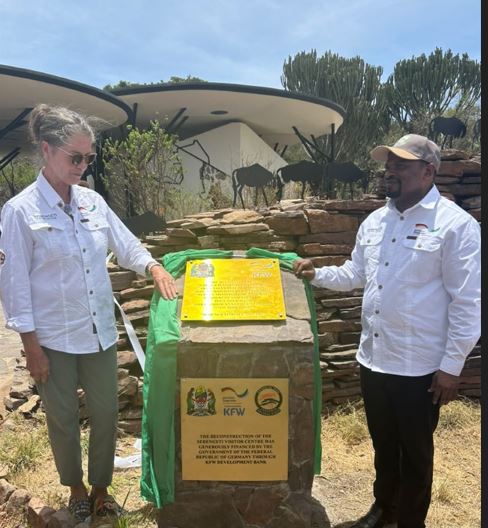
Serengeti, Tanzania | October 7, 2026 — Germany and Tanzania have strengthened their long-standing partnership in conservation and sustainable tourism with the inauguration of the newly rehabilitated Serengeti Information Centre, a facility designed to deepen visitors’ understanding of one of Africa’s most iconic ecosystems.
The centre, officially inaugurated today, takes visitors through the Serengeti’s rich biodiversity, history and annual wildlife migration, while highlighting the importance of conservation and the contribution of communities living around the ecosystem.
The upgraded facility includes a Conservation Hall, History and Migration Hall, Watu Pavilion and Migration Walkway, offering visitors an interactive experience of the Serengeti and the conservation efforts that have helped protect it.
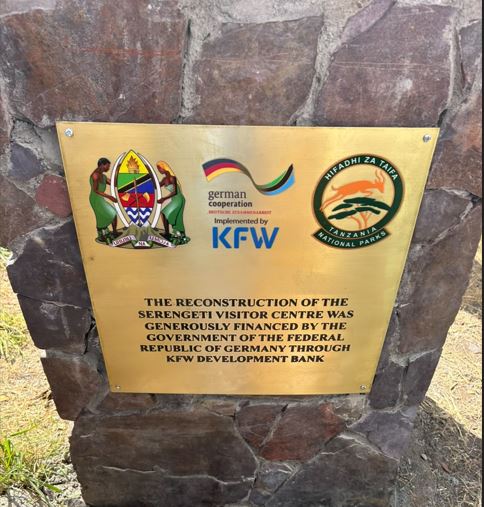
Germany contributed approximately EUR 1.3 million (TZS 3.9 billion) through the KfW Development Bank towards rehabilitation of the centre.
The support is part of a broader German commitment to conservation and community development in the Serengeti ecosystem. Since 2013, Germany has provided approximately EUR 67 million (TZS 203 billion) through KfW to support conservation and community-focused initiatives in the area.
“The Serengeti is Tanzania’s natural heritage, and Germany is proud to stand alongside Tanzania in protecting it. This Centre is a tangible example of our longstanding partnership in conservation, community development and sustainable tourism,” said Annett Günther, Ambassador-Designate of the Federal Republic of Germany to Tanzania.
The Guest of Honour, Hamad Hassan Chande (MP), Deputy Minister of Natural Resources and Tourism, underscored the importance of continued cooperation in protecting the Serengeti while ensuring that tourism contributes to sustainable development.
Beyond conservation and tourism, Germany’s support has also extended to communities surrounding the Serengeti through investments in infrastructure, health, education, alternative livelihoods and initiatives aimed at reducing human-wildlife conflict.
The centre also reflects the long history of international interest in and cooperation for the protection of the Serengeti.
In 1957, German zoologist Bernhard Grzimek and his son, Michael, arrived in the Serengeti. Their 1959 film and book, Serengeti Shall Not Die, helped draw international attention to the ecological importance of the region and contributed to global efforts to promote its conservation.
Today, the Serengeti Information Centre represents a new chapter in that conservation partnership, bringing together Tanzania’s commitment to protecting its natural heritage with international support for biodiversity, sustainable tourism and community development.
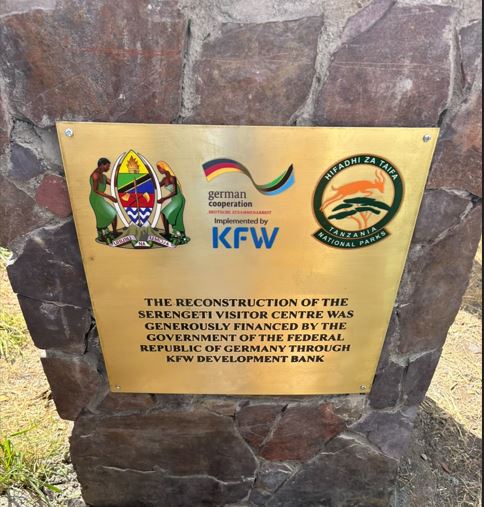
The centre is supported through collaboration between the Tanzania National Parks Authority (TANAPA), the Government of Germany through KfW Development Bank, the FrankfurtZoological Society and other conservation partners.
About the Author