By Our Reporter, Wino Tanzania
The National Environment Management Council (NEMC) has recognized the contribution of recyclable waste pickers and scrap metal collectors, describing them as an important part of the system that significantly helps reduce waste.
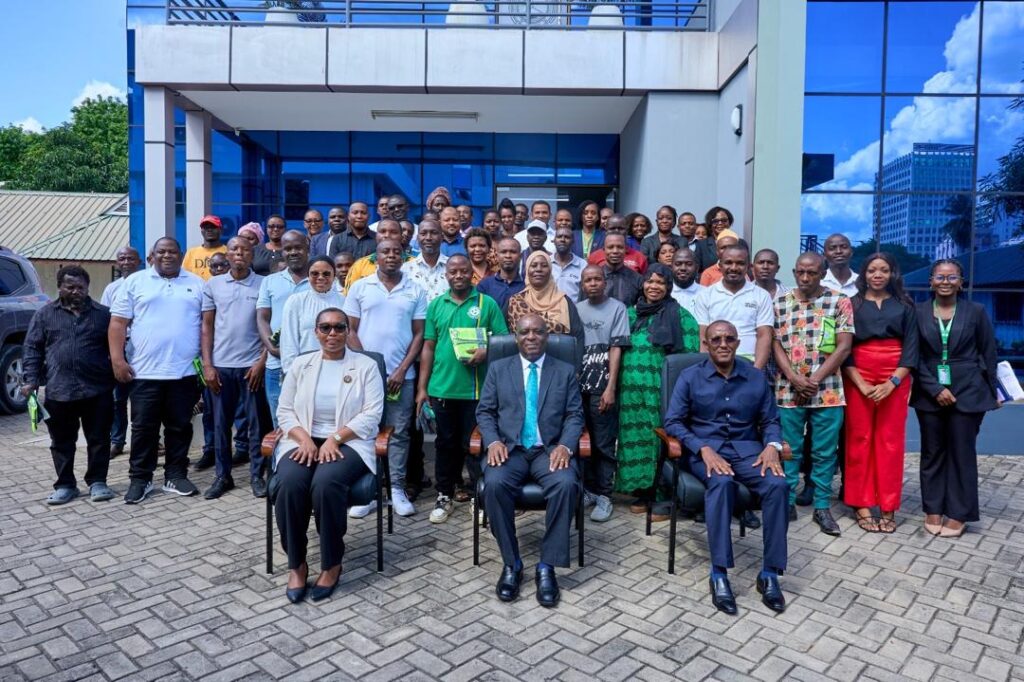
Speaking during an environmental stakeholders’ meeting organized by NEMC, Deputy Permanent Secretary in the Vice President’s Office (Union and Environment), Baraka Luvanda, said scrap metal collectors play a vital role in recycling metals back into the industrial production cycle.
“Through your work, large amounts of metal waste such as iron, aluminum, and copper are collected and sold for reprocessing, a step that helps reduce excessive extraction of new raw materials and minimize environmental destruction,” said Ambassador Luvanda.
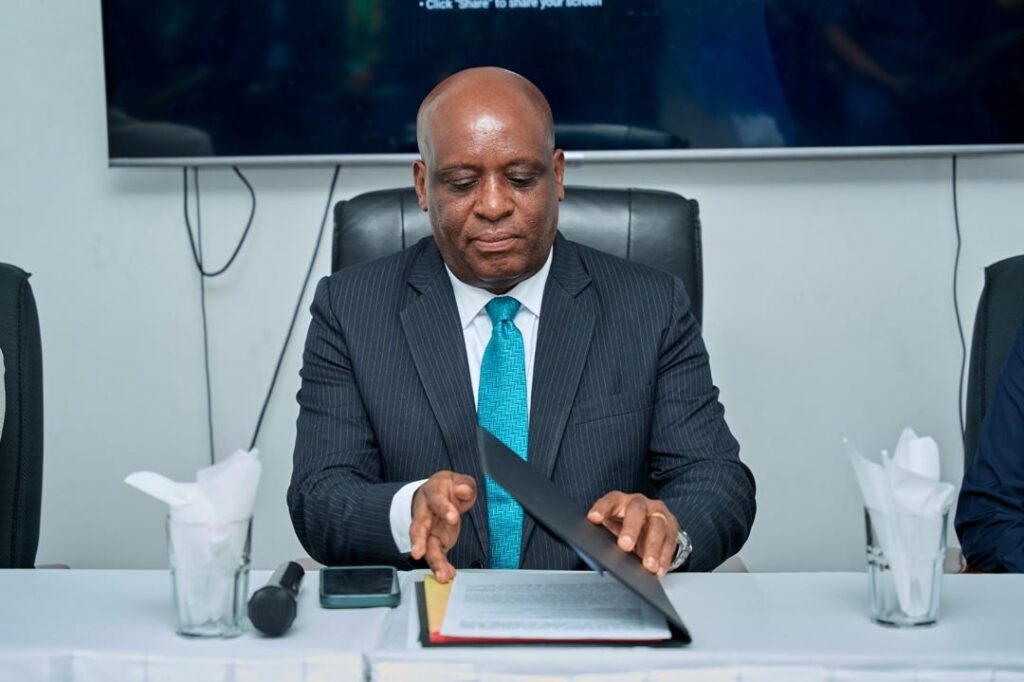
Ambassador Luvanda added that the waste collection and scrap metal sector has created employment opportunities for many young people, and that the government recognizes the stakeholders’ significant economic contribution.
“However, the sector still faces numerous challenges, including lack of formal recognition, poor infrastructure, shortage of equipment, and operational difficulties,” he said.
Recyclable waste pickers and scrap metal collectors also highlighted the challenges they face. Paul Mwihanga explained some of the difficulties, including low prices for plastic waste and negative perceptions from society toward their work.
“Many people call us drug addicts. This body you see is not my real body size; I have become thin because of the work I do. At least now we sell one kilogram of plastic waste for 300 Tanzanian shillings, whereas previously it was only 200 shillings,” said Mwihanga.
He added that if the government formally recognizes them and creates a better working environment, the recycling sector would increase productivity and help reduce waste on streets and in residential areas.
During the meeting, which formed part of the celebrations marking 40 years since the establishment of the council, it was revealed that Tanzania produces more than 14 million tons of waste annually. According to environmental experts, this waste continues to prove to be an important resource capable of generating income, creating jobs, and driving the growth of a green economy if properly managed and fully recycled.
NEMC Director General, Immaculate SiSeme, said the environment is a key pillar of public health, mental well-being, and national economic development, emphasizing that the institution has been entrusted with overseeing environmental safety across the country.

“Today, recycling stakeholders, investors in environmental technologies, waste pickers, and innovators of green solutions are making a major contribution to reducing environmental pollution, increasing green jobs, and promoting a sustainable national economy,” said Dr. Seme.
During the discussion, experts pointed out that the growing amount of waste in the country has major impacts, including blockage of drainage systems, frequent flooding, increased outbreaks of diseases, environmental pollution, rising urban sanitation costs, and loss of resources that could otherwise be recycled and returned to the economic cycle.
The meeting concluded with a collective call to strengthen cooperation between the government, private sector, and citizens to ensure Tanzania builds a sustainable waste management system that promotes a green economy and protects the environment for present and future generations
About the Author